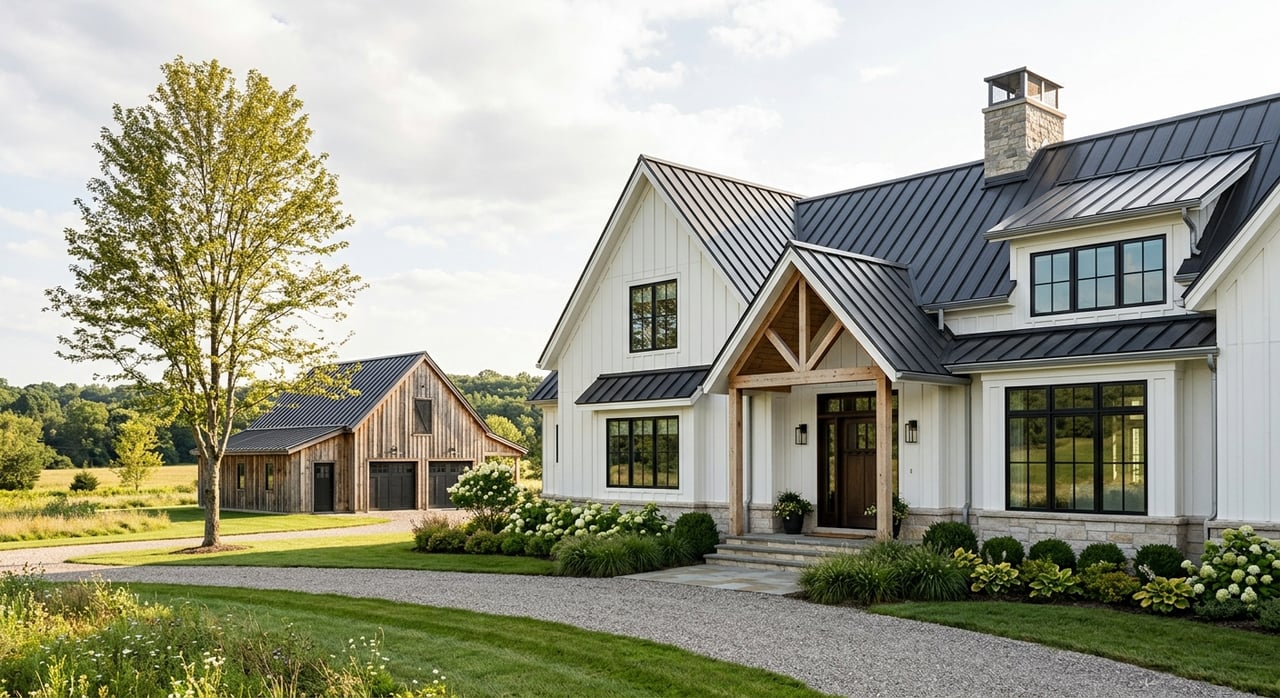
Selling a country property in Clinton, Michigan is not the same as selling a home on a standard neighborhood lot. When your property includes acreage, outbuildings, private utilities, or questions about land use, buyers and lenders often look beyond the house itself. If you want a smoother sale, it helps to know what makes these listings different and what records to gather before you hit the market. Let’s dive in.
Why country properties sell differently
In the Clinton area, land is often a major part of the property’s value and appeal. Lenawee County includes 334,000 acres of agricultural land, and county mapping tools track parcel information, aerial photography, and topography. That means buyers are often evaluating the full site, not just the living space.
A country property usually raises more questions during the sale process. Buyers may want to understand boundaries, road access, usable land, zoning, and how private systems like wells and septic function. Those details can shape pricing, marketing, and even financing.
Land use matters early
In Michigan, zoning is handled by the local municipality rather than the county. For a seller in or around Clinton, that means buyers may ask what the township or village allows on the property before they focus on cosmetic updates inside the home.
This matters because lenders also pay attention to how the property is classified and used. If a property looks more agricultural than residential, the buyer pool may narrow because some loan programs have limits on the kinds of properties they will finance.
Outbuildings can change buyer interest
Barns, large shops, storage buildings, and other structures can be a big plus for the right buyer. At the same time, they can also affect how a lender or appraiser views the property. When outbuildings are significant, the property may be seen differently than a typical residential listing.
That does not mean you should hide these features. It means you should market them clearly and be ready to explain how they fit the property as a whole.
What to gather before listing
The more organized you are before your home goes live, the easier it is for buyers to move forward with confidence. Country properties tend to need more documentation than homes in a typical subdivision.
Start with the records that define the land itself:
- Recorded deed
- Legal description
- Parcel number
- Any available survey or boundary documentation
- Parcel map or GIS map
Lenawee County’s Register of Deeds records deeds, surveys, and land corners. The county GIS division also provides parcel data, topography, roadways, and aerial imagery, which can help show buyers what the property really includes.
Confirm tax and parcel history
If your property has had land added, split, or combined in the past, gather that information early. Lenawee County notes that tax certification is required for deed and land split certification, and the local assessor must confirm whether a split is allowable.
This step is especially important if you think a buyer may ask whether part of the acreage can be divided off in the future. It is better to verify the facts up front than to rely on assumptions during negotiations.
Pull well and septic records
If your property uses private well and septic systems, expect buyers to ask about them. The Lenawee County Health Department regulates private on-site water supply and on-site sewage disposal systems, issues permits before construction, and supports water testing.
Useful records may include:
- Well permit information
- Septic permit information
- Any repair or replacement records
- Water testing history, if available
These details can help answer questions faster and reduce uncertainty during inspections.
Collect permits for improvements
If you added onto the house or built structures like a barn, shed, or detached garage, gather any permits and supporting paperwork you have. Appraisers are expected to comment on additions without permits and describe outbuildings in the appraisal report.
That makes documentation especially valuable on rural listings. Clear records can help buyers and appraisers understand what was built, when it was built, and how it fits the property.
Prepare the Michigan seller disclosure
If your property transfer is covered by Michigan’s seller disclosure requirements for 1 to 4 residential dwelling units, you should be ready to complete the disclosure statement. The form covers the condition of the property and land and includes items such as the well, pump, septic tank, and drain field.
Timing matters here. If a required signed disclosure is not provided, a buyer may be able to terminate the agreement, and late delivery can create a short termination window depending on how the form is delivered.
Pricing a Clinton country property
Pricing a country property often takes more judgment than pricing a home in a neighborhood with many similar recent sales. In a rural setting, true comparable sales may be harder to find because properties differ in acreage, shape, access, outbuildings, and utility setup.
That means pricing should reflect the whole property package. The house matters, but so do the site size, legal characteristics, present land use, and features that affect usability.
Why comparable sales are harder to find
Appraisers are expected to use comparable sales with similar physical and legal characteristics. If the local market has limited comparable data, they may need to expand the search area and explain why.
For you as a seller, this means a pricing strategy should be grounded in more than just square footage and bedroom count. A home on acreage in Clinton may need a more detailed story to support its value than a similar-sized home on a smaller lot.
Marketing the land, not just the house
A country listing should help buyers understand how the property functions. Photos of the home are still important, but they are only part of the picture when land is a major selling point.
Strong marketing should explain the site in plain language. Buyers should be able to understand what they are looking at before they visit and while they walk the property.
What buyers want to see
For a country property, useful marketing materials often include:
- Acreage count
- Clear parcel map
- Boundary overview
- Driveway and access points
- Outbuilding locations
- General layout of usable land
- Well and septic locations, when appropriate to share clearly and accurately
Because Lenawee County GIS tools include aerial photography, topography, and parcel information, map-based visuals can help reduce confusion. They also help buyers connect the listing photos to the actual land.
Showings need more context
On a larger parcel, buyers can miss important features if they are left to interpret the property on their own. A simple showing packet with maps and basic property facts can make the tour more productive.
This can be especially helpful if parts of the land are wooded, set back from the road, or not obvious from the main driveway. The goal is to help buyers see the full value of the property, not just the front yard and house exterior.
Appraisals and financing can be more complex
Rural appraisals often involve more detail than appraisals for homes in dense residential areas. The appraiser may need to report the actual site size, zoning class, whether the use is conforming or nonconforming, highest and best use, adjoining property influences, and site utilities.
If the property relies on private well and septic, those systems become part of the broader review as well. This is one reason documentation matters so much before listing.
The whole site is part of the analysis
For acreage properties, the appraisal is not supposed to treat the home as if it sits on a smaller hypothetical lot. The actual site size and the property’s real characteristics are part of the analysis.
That can work in your favor when the land is a meaningful asset. It also means the listing needs to present the site clearly so buyers, appraisers, and lenders are all working from the same picture.
Financing may depend on property type
Some buyers may love a property with a large barn or extensive land, but their financing may not fit it. If the property appears agricultural in nature rather than primarily residential, loan options can become more limited.
That does not stop a sale, but it can affect the size of your buyer pool. Going to market with accurate property information helps attract buyers who are better matched to the listing from the start.
Can you split off land before selling?
Some sellers hope to keep part of the acreage or split off a parcel before selling the house. In Clinton and the surrounding area, that may be possible, but it is not something to assume.
Lenawee County states that the county treasurer must certify taxes are paid before a parcel split can move forward, and the local assessor must confirm that the split is allowable. If you are considering this path, it is smart to verify the rules early so your pricing and marketing strategy reflect reality.
Why preparation gives you leverage
When buyers look at a country property, uncertainty can slow everything down. Questions about boundaries, access, outbuildings, wells, septic, and land use can lead to delays if the answers are not ready.
When you gather records before listing, you make it easier for buyers to understand the property and for appraisers and lenders to move the file forward. In a market like Clinton, that kind of preparation can make your sale feel more straightforward and more credible.
If you are getting ready to sell a country property and want a clear plan for pricing, presentation, and next steps, connect with Raymond Matti for a free neighborhood consultation.
FAQs
How is selling a country property in Clinton different from selling a standard home?
- A country property often involves acreage, zoning questions, private well and septic systems, outbuildings, and fewer direct comparable sales, so buyers, appraisers, and lenders usually review more than just the house.
What records should you gather before listing a rural property in Clinton?
- Start with the deed, legal description, parcel number, survey or boundary documents, parcel maps, tax history, well and septic records, and permits for additions or outbuildings.
Do you need a seller disclosure for a residential country property in Michigan?
- If the transfer is covered by Michigan’s seller disclosure requirements for 1 to 4 residential dwelling units, you should provide the disclosure statement covering property and land conditions, including items like the well and septic system.
Can a barn or large outbuilding affect financing for a Clinton property?
- Yes. Large barns, storage buildings, and similar structures can cause a lender to view the property as more agricultural than residential, which may limit financing options for some buyers.
Can you sell the house and keep part of the acreage in Lenawee County?
- Maybe, but a parcel split must be reviewed locally, the local assessor must confirm the split is allowable, and the county treasurer must certify that taxes are paid.
Why do appraisals take more explanation on rural Clinton properties?
- Rural appraisals often require more narrative support because comparable sales may be limited, and the appraiser must analyze site size, zoning, land use, utilities, and the overall characteristics of the property.