Thinking about a move to Utica, MI? If you want a place with a small-city feel, easy access to the larger Metro Detroit area, and a mix of housing and recreation options, Utica may be worth a closer look. Before you make a move, it helps to understand how the city is laid out, what daily life feels like, and what practical details can shape your decision. Let’s dive in.
What Utica Feels Like Day to Day
According to the City of Utica, the city highlights historic homes, specialty shops, parks, restaurants, schools, and neighborhood amenities within a compact setting. For you, that often means daily errands, local dining, and outdoor spaces can feel more connected than they do in larger suburbs.
Utica also sits within the broader Detroit metro area, so you get a smaller local footprint without losing access to regional job centers, entertainment, and services. If you are looking for a home base that feels manageable but still connected, that balance is a big part of Utica’s appeal.
Housing Options in Utica
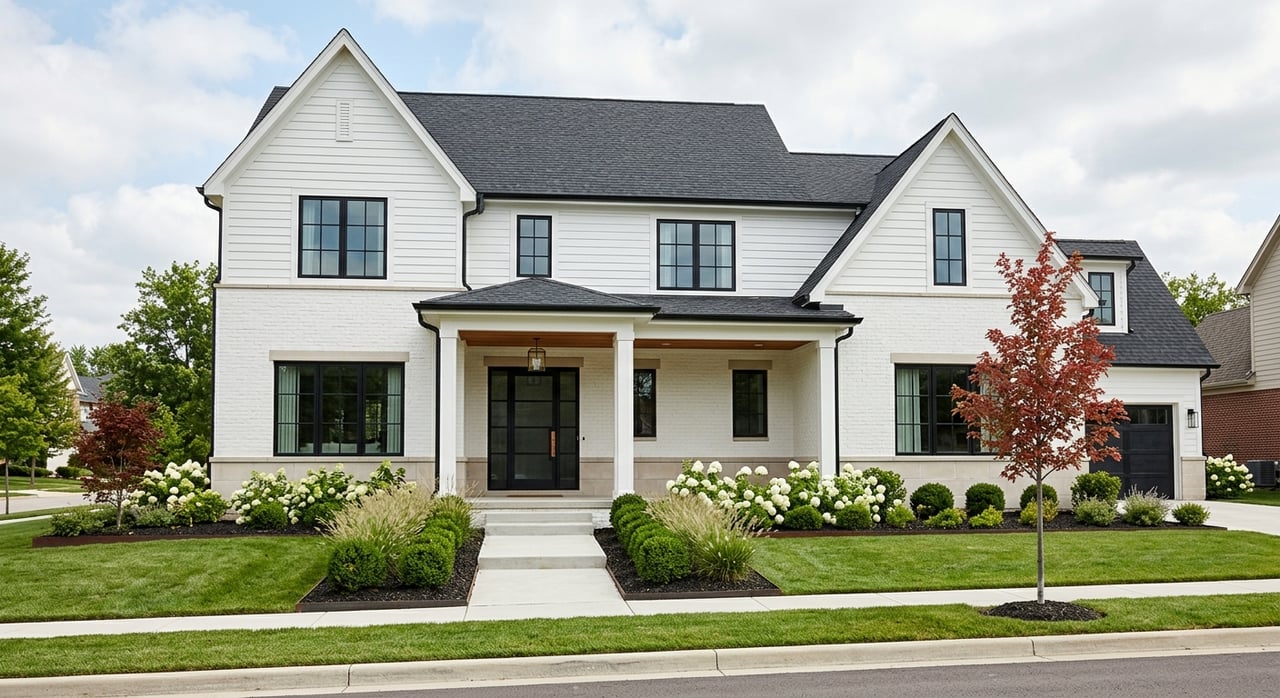
One of the first things many new residents want to know is whether Utica offers more than one type of home. The answer is yes. The city’s master plan shows that single-family neighborhoods make up the largest residential land use, but townhouses, condos, duplexes, and apartments are also part of the housing mix.
That variety can be helpful whether you are buying your first place, downsizing, or looking for a lower-maintenance option. The same plan notes that multi-family housing is generally concentrated closer to major transportation routes, while mixed-use development is centered downtown.
Current U.S. Census QuickFacts for Utica report a median owner-occupied home value of $231,100, a median gross rent of $1,131, and an owner-occupied housing rate of 59.1%. In practical terms, that points to a market with both ownership and rental opportunities rather than a city that leans heavily one way.
What Renters Should Know
If you plan to rent in Utica, there is one important local detail to keep in mind. The city requires non-owner-occupied dwellings to have a biannual rental license, and inspections are part of that process. The Utica Building Department landlord information page also provides guidance on fees, furnace inspections, smoke alarms, and related forms.
This matters because it gives you a clearer sense of how rental properties are regulated locally. If you are comparing rental options, it can be useful to ask whether a property is current with the city’s licensing and inspection requirements.
Commuting and Getting Around
For many buyers and renters, commute time can make or break a move. Utica’s Census QuickFacts list a mean travel time to work of 23.8 minutes, which fits a fairly typical suburban commute pattern.
The city’s master plan notes that local development has been shaped by the Clinton River, rail lines, and major regional connectors like Van Dyke and Hall Road/M-59. Those corridors help link Utica to nearby communities and the wider Detroit metro network.
For most residents, a car will still be the main way to get around. At the same time, Utica does have limited transit support. The city says residents age 50 and older or permanently disabled can access local senior transportation within Shelby Township and Utica, and SMART provides a regional transit connection in the area.
Parks and Trails Stand Out
If outdoor access matters to you, Utica has some meaningful advantages. The city’s Parks and Recreation department highlights features like Pioneer Park dog park registration, a canoe launch at Heritage Park on the Clinton River, Grant Park pavilion rentals, and a recreation partnership with Shelby Township.
The master plan adds more context. Heritage Park offers direct river access and connects to the Lake St. Clair to Stony Creek trail. The Jacqueline K. Noonan River Walk Park sits near the library and within walking distance of historic downtown and the ballpark. The Utica Connector Trail also links into River Bends Park and the Macomb Orchard Trail system.
For you, that can translate into more than just green space on a map. It means you may have easier access to walking, biking, river views, and casual outdoor time close to home.
Dining and Entertainment Nearby
Utica offers a mix of local spots and nearby regional attractions. The city’s restaurants page describes a range of family dining, fast food, and pubs, with places such as Host Utica, Steampunk Tap Room, Vino & Vibes, Muldoon’s, Northern Grind Coffee, and Black Rock Bar & Grill.
For entertainment, the city’s local entertainment guide lists options within Utica like Argentine Tango, Dave & Buster’s, The Reptarium, and Zap Zone Laser Tag. It also points residents toward larger destinations in the region, including museums, music venues, and metroparks.
That combination can be useful if you want everyday convenience without feeling limited to one small downtown. You can stay local for a quick night out or head farther into the region when you want a bigger event or destination.
Downtown Utica Is Seeing Reinvestment
If you are trying to gauge where a city may be headed, public investment and redevelopment can offer important clues. In 2025, the State of Michigan announced support for a redevelopment project at 7525 Auburn Road in Utica. The project is expected to become the United Shore Professional Baseball League headquarters and include a restaurant, retail, meeting space, patio space, and a trail connection.
For potential residents, that points to continued momentum around the downtown, ballpark, and river corridor areas. While every move depends on your own goals, signs of reinvestment can matter if you value walkable amenities, updated gathering spaces, and a city that is continuing to evolve.
Is Utica a Good Fit for You?
Utica may be a strong fit if you want a compact suburban setting with a mix of home types, access to parks and trails, and practical connections to the surrounding Metro Detroit area. It can also appeal to people who want local restaurants and recreation close by without giving up access to larger regional destinations.
Your ideal fit depends on what matters most in your move. If you want a highly urban, transit-first lifestyle, Utica may feel more car-oriented than you prefer. If you want a manageable community with everyday convenience and a clear neighborhood feel, it may deserve a spot on your shortlist.
As you compare communities in Macomb County and the surrounding suburbs, it helps to look beyond listings and think about how you want your days to work. If you are weighing Utica against nearby options, Raymond Matti can help you compare neighborhoods, housing choices, and next steps with clear local guidance.
FAQs
What types of homes are available in Utica, MI?
- Utica includes single-family homes, condos, townhouses, duplexes, apartments, and some mixed-use residential areas, according to the city’s master plan.
What is the average commute like for residents of Utica, MI?
- The U.S. Census reports a mean travel time to work of 23.8 minutes, which suggests a typical suburban commute pattern.
What should renters know before moving to Utica, MI?
- Non-owner-occupied rental dwellings require a biannual rental license in Utica, and the city includes inspection and safety guidance through its Building Department.
What parks and trails can new residents use in Utica, MI?
- Utica offers access to Heritage Park, Grant Park, Jacqueline K. Noonan River Walk Park, the Utica Connector Trail, and connections to larger regional trail systems.
What entertainment options are near Utica, MI?
- Utica includes local entertainment and dining options, and it also offers access to larger regional attractions such as museums, music venues, and metroparks nearby.